
Why do Columbus diets fail but habits stick?
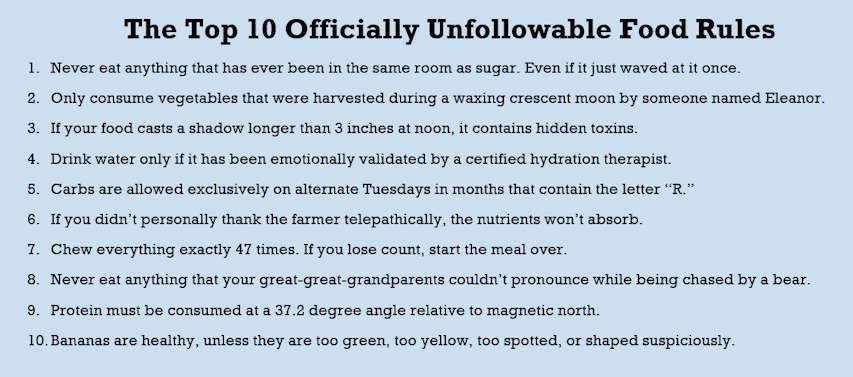
TLDR: Most diets fail in Columbus because they focus on food rules, not stress-driven habits. Clinical hypnosis (also called hypnotherapy) helps retrain automatic behaviors so lasting weight change becomes realistic and sustainable.
Why do so many diets fail for Columbus adults?
Diets fail because they rely on restriction while habits run on automation.
Most adults in Columbus already understand nutrition basics. They know vegetables are healthier than fast food. They know sugar contributes to weight gain. The issue is not knowledge — it’s repetition.
Habits are neurologically efficient. The brain conserves energy by repeating behaviors that previously delivered relief. In suburbs like Pickerington, Grove City, and Westerville, long workdays and commuting patterns reinforce predictable eating routines. When stress rises, the brain defaults to what feels familiar and fast. Diet rules collapse under pressure. Habits do not.
Why do habits feel stronger than motivation?
Habits are wired into the basal ganglia, the brain’s habit center. Motivation lives in the prefrontal cortex — the decision-making region.
When someone starts a diet in January, motivation is high. But during tax season, a work deadline downtown, or a stressful family week in Canal Winchester, the emotional brain overrides logic.
That is why someone can genuinely want to lose weight and still find themselves standing in front of the pantry at 10:30 p.m. The habit pathway fires faster than conscious reasoning.
How do Columbus routines reinforce unhealthy habits?
Columbus routines are highly structured around work and commute cycles.
Common patterns we see include:
- Grabbing drive-thru breakfast during early commutes on I-270
- Afternoon sugar to push through mental fatigue
- Evening snacking after OSU games or long workdays
- Weekend indulgence tied to social gatherings
These routines become time-based triggers. The clock itself cues eating behavior.
When a behavior repeats at the same time each day, it becomes neurologically sticky.
Why does stress make dieting harder?
Stress elevates cortisol, and cortisol increases appetite — especially for high-calorie foods.
Columbus has experienced rapid growth, economic shifts, and rising living costs. Many households balance demanding schedules and financial pressure. Under chronic stress, the body prioritizes survival chemistry, not aesthetic goals.
Emotional eating is so hard not to do.... Especially when sugar and refined carbs temporarily reduce stress hormones. That relief reinforces the loop. The more stress, the stronger the craving. Diet plans rarely account for cortisol biology.
Why does willpower fade by evening?
Willpower is finite. Decision fatigue builds throughout the day.
By the time someone returns home to Reynoldsburg or Hilliard after a full workday, mental energy is depleted. The brain seeks the easiest reward available.
That is why late-night eating is so common. It is not weakness. It is neurological exhaustion.
How does clinical hypnosis interrupt habit loops?
Clinical hypnosis works by slowing automatic responses and retraining stress regulation pathways.
During hypnosis, the brain enters a focused learning state. In that state, we guide clients through realistic Columbus-based scenarios:
- Driving past a favorite fast-food location
- Walking into the kitchen after the kids are asleep
- Facing breakroom desserts at a downtown office
- Preparing for a weekend social event
The brain rehearses new responses repeatedly in a calm, structured way. Over time, the emotional charge behind old habits decreases. That reduction makes new behaviors sustainable.
Why do short-term diets sometimes appear successful?
Short-term diets often work because novelty increases motivation and focus.
However, novelty fades. When emotional stress resurfaces, old coping patterns return. The weight that was lost through discipline alone often returns through habit.
Long-term weight stability requires nervous system change, not temporary restriction.
What role does identity play in weight regain?
If someone internally identifies as “a stress eater” or “someone who always struggles with weight,” that identity reinforces behavior.
Habits are easier to maintain when they match self-perception.
Hypnosis helps shift internal identity from:
“I’m trying to diet” -> to -> “I make steady, controlled food choices.”
Identity shifts precede lasting outcomes.

Why does Columbus winter make habits harder to break?
Ohio winters reduce sunlight, movement, and outdoor activity.
Short days and cold weather increase cravings for comfort foods. Social gatherings shift indoors, often centered around food.
Planning for seasonal vulnerability prevents discouragement.
Recognizing environmental influence removes self-blame.
How quickly can habit change begin?
Habit change often begins with awareness.
Clients frequently report:
- Pausing before opening the pantry
- Smaller portions feeling natural
- Reduced urgency around sweets
- Less mental obsession about food
Weight loss follows behavioral stabilization. Hypnosis prioritizes stabilization first.
Is hypnosis replacing dieting altogether?
Hypnosis does not replace nutritional awareness. It strengthens consistency.
When stress responses are retrained, healthy eating feels easier. Exercise feels less forced. Grocery shopping becomes intentional rather than impulsive. Hypnosis aligns behavior with long-term intention.
Who benefits most from retraining habits instead of dieting?
Habit-focused work benefits those who:
- Lose weight and regain it repeatedly
- Struggle with late-night eating
- Feel stuck in sugar cycles
- Experience emotional eating after stress
If patterns feel automatic despite strong effort, it may be time to retrain the pattern rather than intensify restriction.
When should someone seek help for recurring diet failure?
If you notice the same cycle repeating every year, that repetition is a pattern worth addressing.
You can call us @ 380-233-8070 to discuss your situation and see if you're a good fit for our custom programs. If calling isn’t convenient, just take a few seconds to submit a quick request here for a call-back and we’ll reach out.
Why does compassion outperform pressure in weight change?
Pressure activates stress. Stress activates cravings.
Compassion lowers stress. Lower stress supports sustainable behavior.
Lasting weight change begins in the brain, not the meal plan.
Welcome to Columbus Hypnotherapy's Blog !
Click below to share!